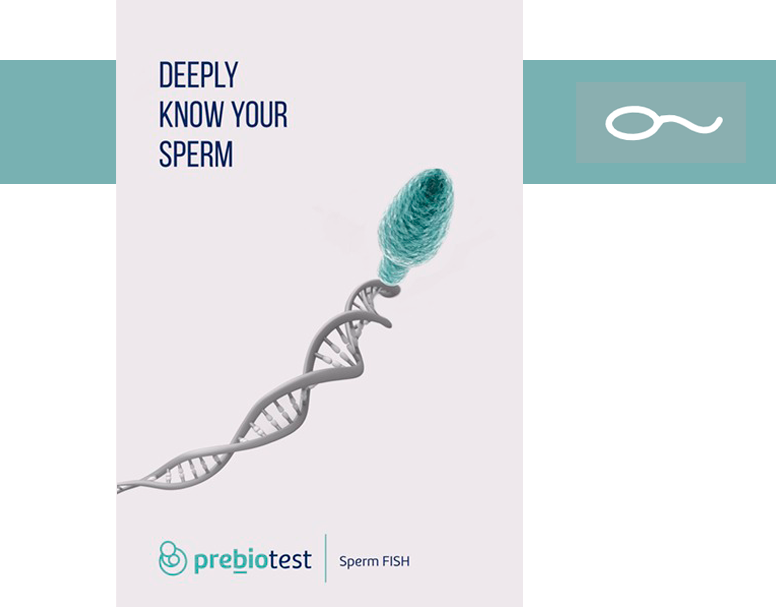
Fish in spermatozoa

600,00

A semen analysis does not provide sufficient information about the complex composition of the seminal fluid.

By analysing the chromosomal composition of the spermatozoa. The FISH test allows us to detect alterations in the number of chromosomes in the sperm.

Quantity

Category:

What is FISH?

FISH (Fluorescent In Situ Hybridisation) in spermatozoa is a technique that allows the genetic material of male gametes to be studied in order to add to the information on the basic seminal characteristics (motility, morphology, etc.) provided by a spermiogram, thus delving deeper into the cause of the fertility problem.

Although the patient may have a normal karyotype, this does not confirm that there are genetic alterations in his gametes. This genetic study probes into the knowledge of possible anomalies.

What is the purpose of FISH?

The FISH analysis of the ejaculate will allow us to determine the levels of spermatozoa with abnormal chromosomal endowment and to know whether or not they exceed the limits of normality.

Humans are diploid, that is, we have two copies of each of the 23 types of chromosomes. In gametogenesis, cells (ova or sperm) that are haploid are formed, i.e. they only contain a single copy of each of the chromosomes. Gametogenesis is not a 100% efficient process and there is a certain proportion of gametes with an abnormal number of chromosomes (aneuploidies). The problem arises when the levels of aneuploidies reach high levels.

What is it about FISH?

FISH in spermatozoa consists of the hybridization of the spermatozoa in an ejaculate by means of fluorescent probes. These probes attach themselves specifically to the chromosome for which they have been designed (e.g. chromosome 21) and use a fluorescence microscope to check whether or not the spermatozoa have a single copy of that chromosome.

In FISH sperm are usually analyzed 5 chromosomes, the sex chromosomes (X and Y) and chromosomes 13, 18 and 21. This study can be extended to other chromosomes if the medical history recommends it:

  • Chromosomes 16 and 22 in the case of repeated miscarriages.
  • Chromosomes involved in abnormal karyotypes from previous pregnancies of the couple.
  • Chromosomes involved in altered karyotypes in the male

In what cases is FISH indicated?

A FISH is indicated in the following cases:

  • Couples who have had repeated miscarriages or implantation failures after in vitro fertilisation (IVF).
  • Males with poor quality semen
  • Patients with altered karyotypes.

What should patients with an altered FISH do?

Patients with FISH in pathological spermatozoa have a higher risk of having embryos with chromosomal alterations and consequently a lower implantation capacity, a higher risk of miscarriage, and the possibility of live births with altered karyotypes.

In the presence of FISH in abnormal spermatozoa and if the couple’s medical history so recommends, PGD (Preimplantational Genetic Diagnosis) is recommended to select embryos with the correct number of chromosomes that will result in an ongoing pregnancy and ultimately in the birth of a healthy child.

IT'S VERY SIMPLE

With a simple saliva sample we can extract the necessary DNA:
  • You can order it from the comfort of your own home, no matter which country you live in. We will deliver the kit to your home.
  • As soon as we receive your order, we will send the kit to your home or to whichever address you prefer. The cost of shipping and returning the kit is included if you live in the Peninsula and the Balearic Islands.
  • The kit includes:

    • A sterile cotton swab preserved in an airtight cover, for each person who is going to be analysed.
    • Detailed instructions.
    • A form for you to fill in your personal data and authorise the genetic study of the person(s) to be analysed.
  • Send the test back to us for analysis.
  • We will carry out the genetic analysis as soon as we receive it in our laboratories.
  • In a few days you will receive a comprehensive report describing the issues involved in FISH in spermatozoa, which will allow your reproductive medicine team to guide your treatment and improve your prognosis.
  • If you wish, you can contact our genetics team so they can interpret the results for you, once they are available.

You might also be interested in

Embryo failure
295,00€

Poor ovarian reserve

250,00€

Endometriosis

295,00€