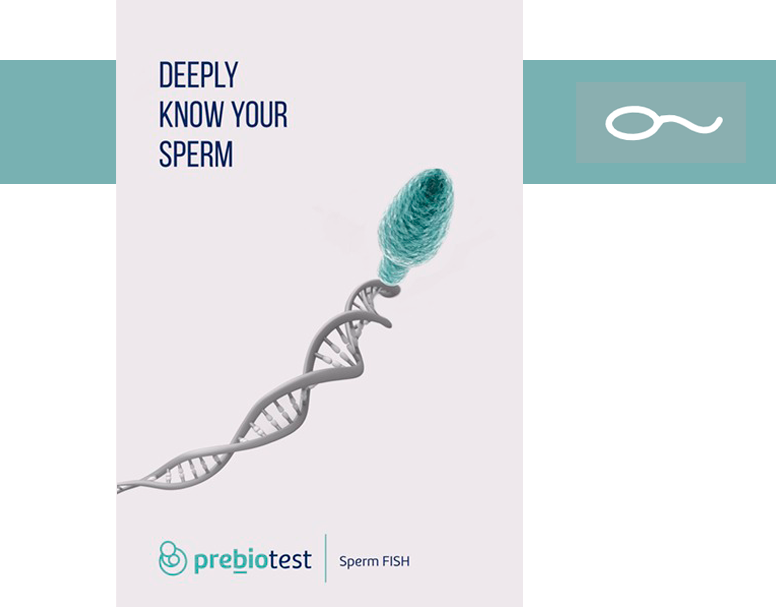
What is FISH?
Although the patient may have a normal karyotype, this does not confirm that there are genetic alterations in his gametes. This genetic study probes into the knowledge of possible anomalies.
What is the purpose of FISH?
Humans are diploid, that is, we have two copies of each of the 23 types of chromosomes. In gametogenesis, cells (ova or sperm) that are haploid are formed, i.e. they only contain a single copy of each of the chromosomes. Gametogenesis is not a 100% efficient process and there is a certain proportion of gametes with an abnormal number of chromosomes (aneuploidies). The problem arises when the levels of aneuploidies reach high levels.
What is it about FISH?
In FISH sperm are usually analyzed 5 chromosomes, the sex chromosomes (X and Y) and chromosomes 13, 18 and 21. This study can be extended to other chromosomes if the medical history recommends it:
- Chromosomes 16 and 22 in the case of repeated miscarriages.
- Chromosomes involved in abnormal karyotypes from previous pregnancies of the couple.
- Chromosomes involved in altered karyotypes in the male
In what cases is FISH indicated?
- Couples who have had repeated miscarriages or implantation failures after in vitro fertilisation (IVF).
- Males with poor quality semen
- Patients with altered karyotypes.
What should patients with an altered FISH do?
In the presence of FISH in abnormal spermatozoa and if the couple’s medical history so recommends, PGD (Preimplantational Genetic Diagnosis) is recommended to select embryos with the correct number of chromosomes that will result in an ongoing pregnancy and ultimately in the birth of a healthy child.
IT'S VERY SIMPLE





You might also be interested in
Embryo failure
Poor ovarian reserve